What Are BNG Units? A Simple Guide for Developers
By , 24th November 2025
Meeting Biodiversity Net Gain (BNG) requirements has become a routine part of the planning process, but the terminology can still feel unfamiliar. One of the most common questions we hear from developers is simply: “What actually is a BNG unit?”
This short guide breaks it down in plain English and shows how our BNG units for sale in Kent can help you meet your planning conditions.
What is a BNG unit?
A BNG unit is a measurable way of representing biodiversity. It is calculated using Natural England’s Biodiversity Metric, which assesses:
- habitat type
- size
- distinctiveness
- condition
- how close the habitat is to the development site
The aim is to make biodiversity uplift something that can be clearly measured and delivered, rather than a vague promise. Every planning application that falls under the BNG requirement must ensure the finished development results in at least 10 percent more biodiversity than before. Units are the mechanism that shows this uplift has been achieved. You can read more about how the metric works in our Biodiversity Net Gain explainer .
How are BNG units created?
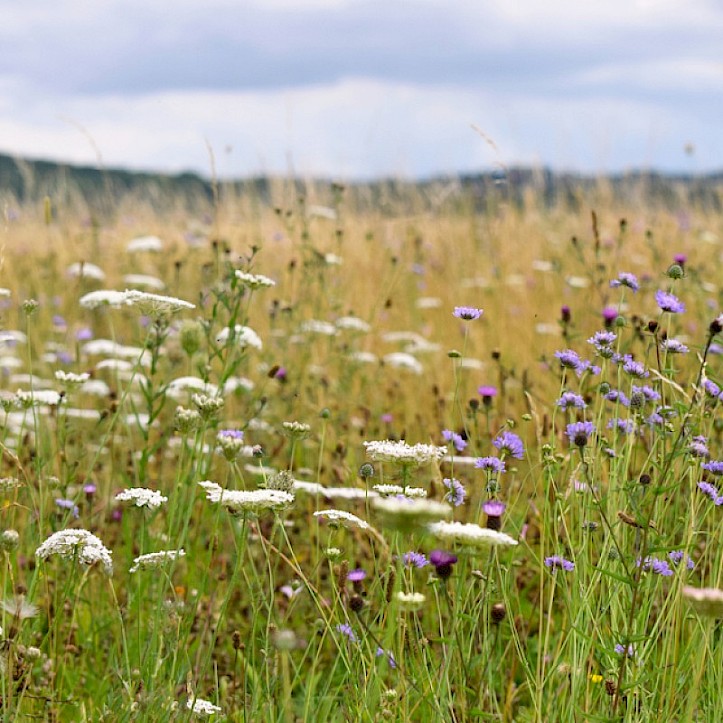
Units are generated through habitat creation or habitat enhancement. This might include:
- establishing species-rich grassland
- creating or restoring woodland
- improving hedgerows
- planting new scrub or tree features
- managing existing habitats to reach a higher condition
Once the habitat is designed and mapped, ecologists apply the Biodiversity Metric to calculate how many units the site delivers.
At Biodiversity & Habitat Solutions, for example, we have created a mosaic of meadows, calcareous grassland and woodland at Chalksole Farm in the Kent Downs, generating hundreds of off-site BNG units for developers who need them.
Do developers have to create these units on their own site?
Not always. Some sites simply do not have the space or the right conditions to deliver meaningful habitat creation. In these cases, developers can secure off-site BNG units from a landowner who has already created and manages suitable habitat.
Off-site units are fully compliant and can often be a more practical and cost-effective route to meeting planning conditions, especially on constrained or high-value development sites.
How does distance affect BNG units?
Where the habitat sits in relation to the development can affect its value. The BNG metric uses spatial risk multipliers, which adjust how many units you need depending on how far away the habitat is from your Local Planning Authority (LPA) or National Character Area (NCA).
In simple terms:
- Within the same LPA or NCA: 1 unit off-site counts as 1 unit required.
- Neighbouring LPA or NCA: 1 required unit needs 1.33 units off-site.
- Further away: 1 required unit may need 2 units off-site.
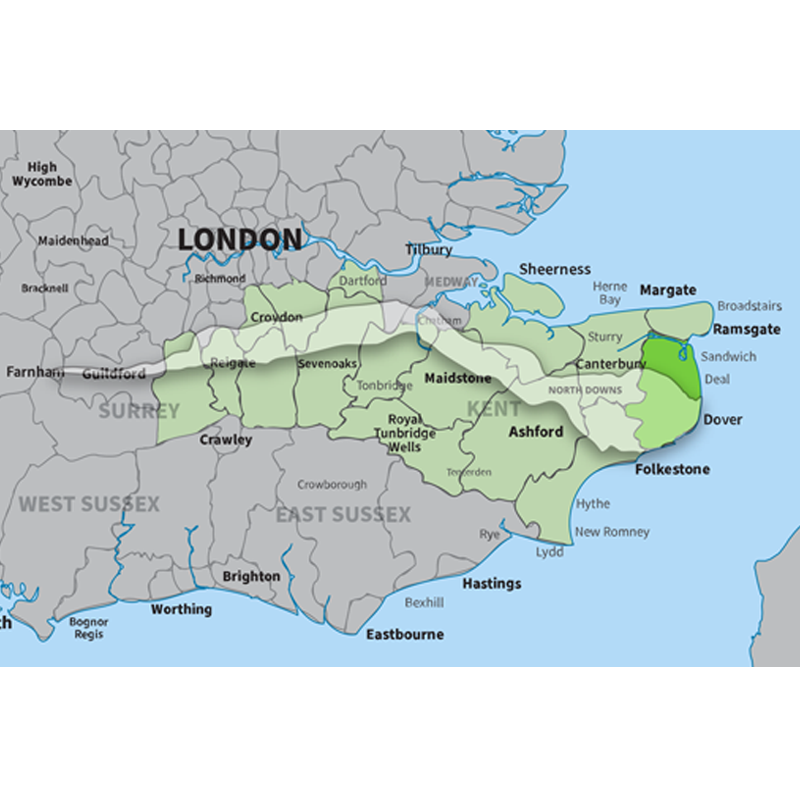
This system encourages developers to source habitat as locally as possible. Our units sit within the Dover LPA and the North Downs NCA, with more detail on nearby authorities on our LPAs and NCAs page .
How much do BNG units cost?
Costs vary depending on habitat type and long-term management. As a guide, our BNG units start from £19,000 per unit, making them some of the most affordable options currently available in the UK.
Full prices, habitat specifications and availability are included in our downloadable brochure: download the BNG brochure and pricing guide .
How do I know how many BNG units my project needs?
Your planning application will usually include a Biodiversity Metric calculation completed by your ecologist. This will show both:
- the baseline biodiversity of the site
- the uplift required to achieve at least 10 percent net gain
If the development cannot deliver the uplift on-site, the calculation will show the number of off-site units required. If you are unsure, we can review your metric and guide you on the most suitable option from our available BNG units in Kent .
Buying BNG units for your project
If you know you need off-site units, the process is straightforward:
- Download our brochure for full pricing and availability: BNG brochure and pricing .
- Let us know your LPA, project timeline and the number of units required.
- We confirm availability at Chalksole Farm.
- Units are secured under a Section 106 agreement.
- We manage the habitats for the full 30-year requirement, including ecological monitoring.
This ensures your obligations are met from day one through to final certification, without the risk of unforeseen habitat management issues later in the project.
Next steps
If you are planning a development and need clarity on BNG units, availability or costs, you can download the brochure and pricing guide or get in touch via our contact page .
We are here to help you meet biodiversity requirements in a practical, compliant and cost-effective way.